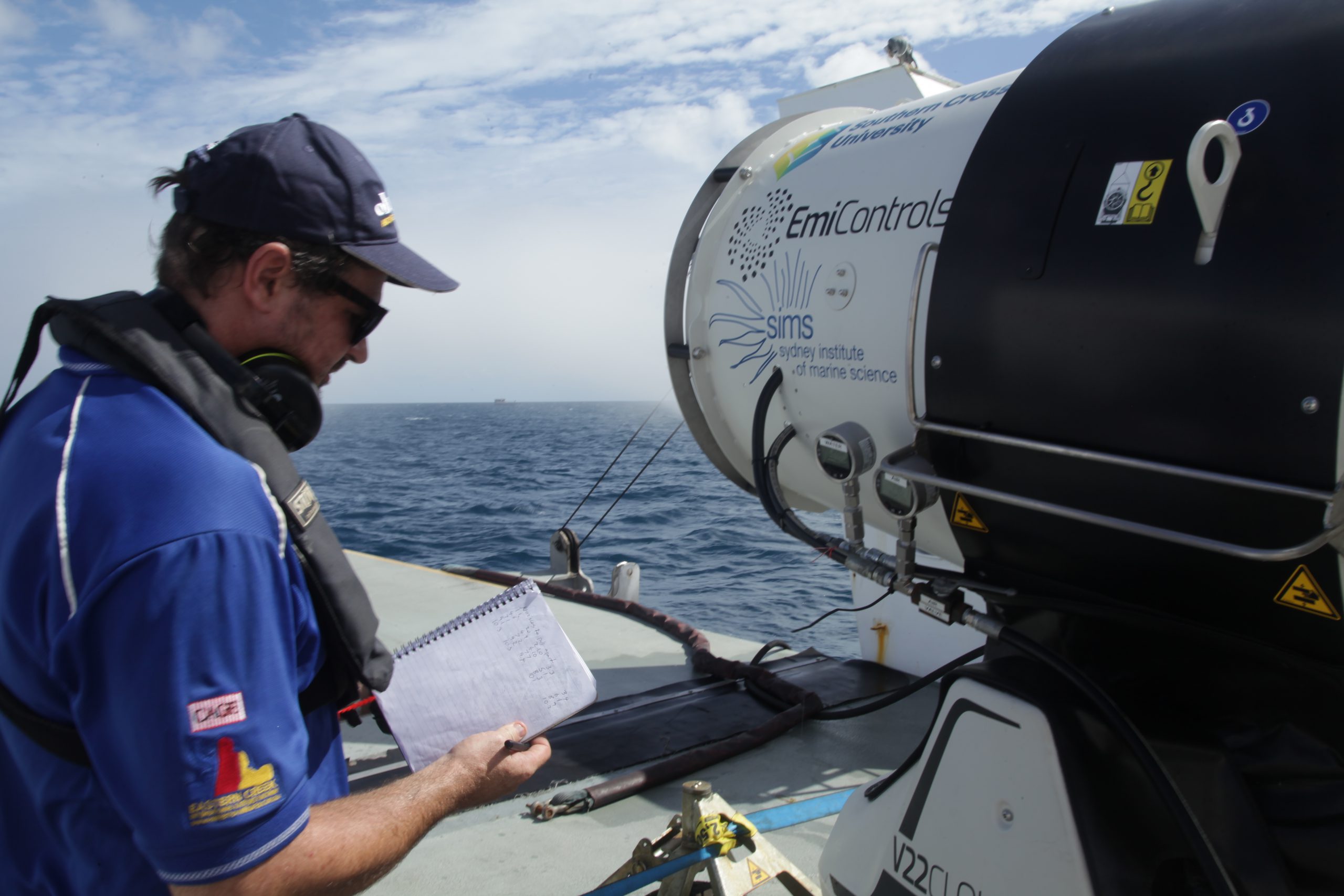
The RRAP Cooling and Shading R&D Subprogram was part of RRAP’s first R&D phase and aimed to investigate technologies to prevent or reduce bleaching stress on coral reefs by reducing the amount of solar radiation reaching the Reef.
This included the concepts of creating shade through clouds, mist, fog or surface films to reduce solar radiation during high-risk periods for coral bleaching.
The interventions under investigation ranged from the scale of an individual reef to protecting the entire Great Barrier Reef Marine Park, with a goal to maintain existing biodiversity, cultural values, and ecosystem services, rather than supplementing or replacing them.
Providing they can be successfully deployed at large scales, cooling and shading interventions have amongst the highest potential of the interventions examined by RRAP. At smaller scales, targeted cooling and shading may protect high-value sites.
Modelling has shown cooling and shading interventions to be strongly synergistic with other novel interventions investigated by RRAP as well as with traditional management techniques such as crown-of-thorns starfish control.
This subprogram prioritised rapid technology development and field testing to determine the technical feasibility. In parallel, a large effort was devoted to atmospheric sampling, monitoring and modelling to inform assessment of efficacy and risk.
Cooling and shading techniques represent a deliberate attempt to temporarily alter the environment of coral reef ecosystems to relieve stress. While eco-engineering approaches are commonly used in land conservation, their application for marine conservation, as well as the proposed large spatial scales have scarce precedent. Accordingly, engagement with Traditional Owners, stakeholders and the public, along with robust governance, are as critical to achieving successful implementation as the technical and engineering development.
The Cooling and Shading R&D Subprogram aimed to progress both categories of cooling and shading interventions in parallel:
Cooling and shading intervention represents a temporary disturbance of the dynamic physical environment. Efficacy and risk are therefore dependent on the prevailing conditions at the location and future time of implementation.
Modelling (across multiple scales, resolutions, domains and approaches) was required to estimate efficacy, design and interpret field experiments, optimise deployment strategies, and quantifying risk.
This subprogram also aimed to address the significant knowledge gaps in atmospheric and meteorological conditions over the Reef, with an early foundational science component in the atmospheric survey, atmospheric monitoring and modelling projects. This included identification and scientific investigation of risks of unintended impacts.
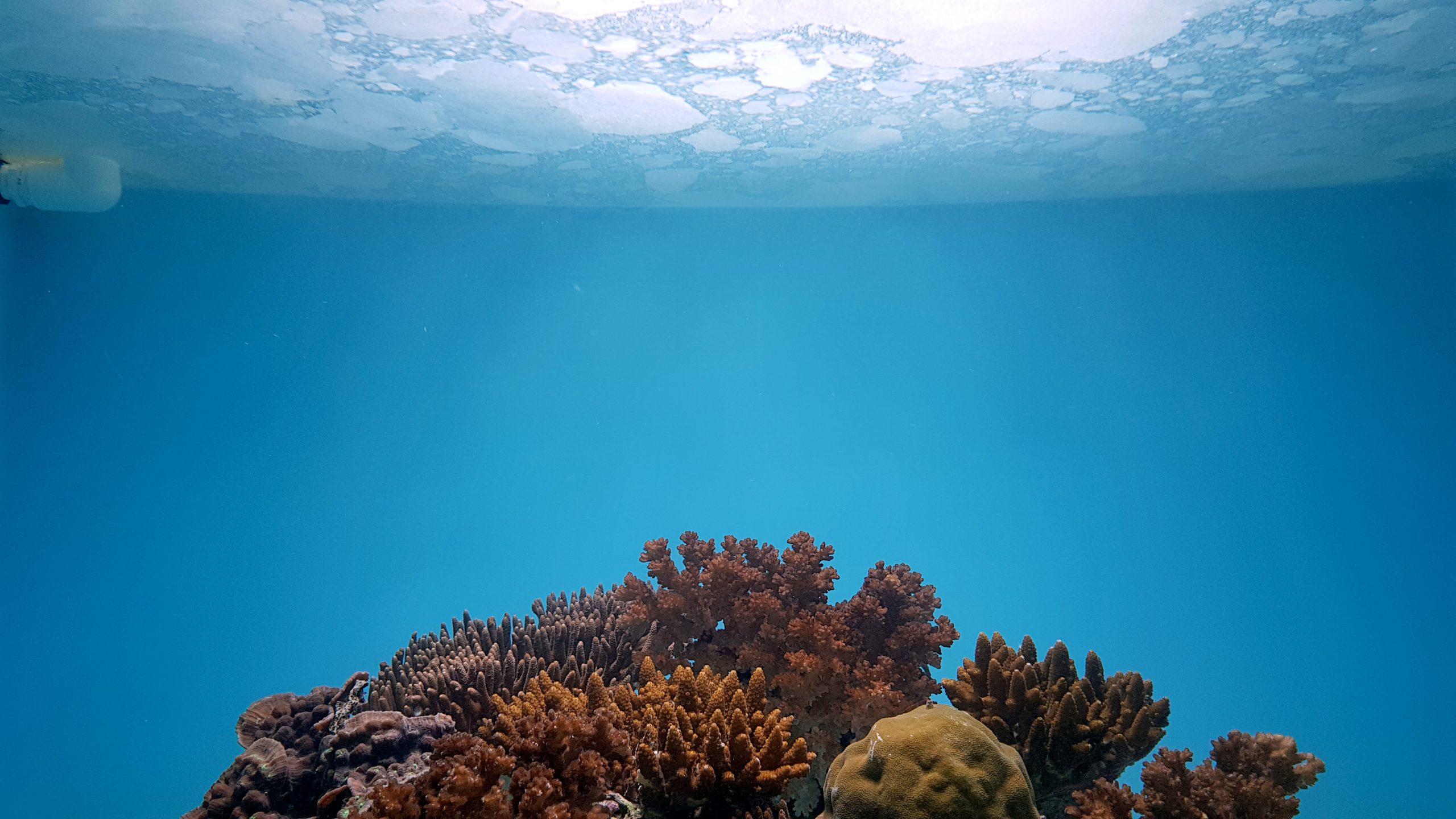
Testing surface films in the National Sea Simulator, AIMS
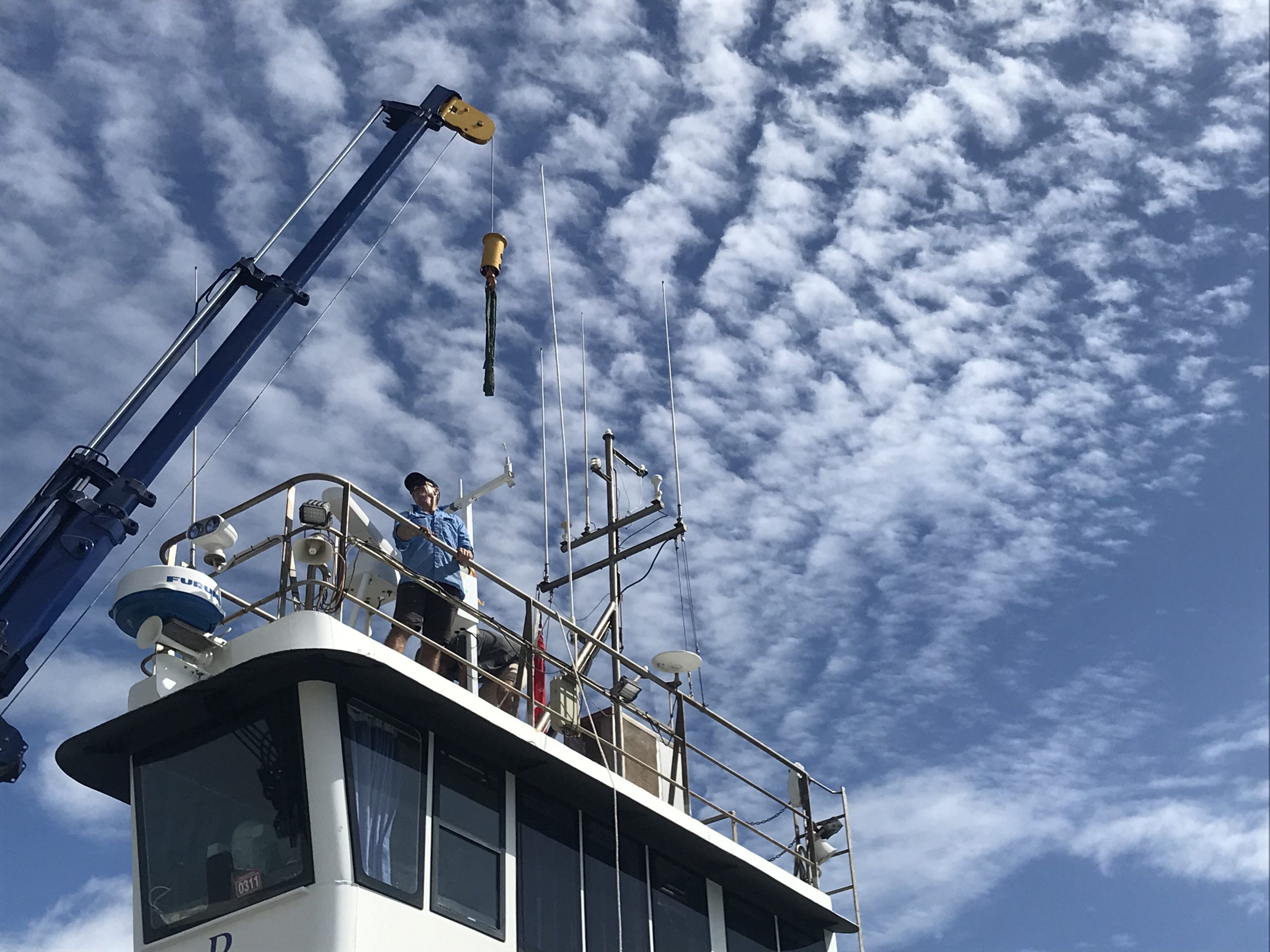
This project focused on understanding the atmosphere and cloud physics over the Great Barrier Reef. The project collected and analysed highly detailed information over a specific area of the reef, characterising the interaction of meteorological, aerosol, and cloud microphysical processes that influence the radiative transfer of energy from sun to surface waters and corals.
This project extended the atmospheric survey in space and time, providing data for northern, central and southern regions of the Great Barrier Reef and across seasons, creating a data set that will inform GBR-wide assessment of atmospheric conditions.
The objective of this project was to develop, calibrate, and verify the models required to underpin design, proof of concept, field testing and permitting activities for cooling and shading interventions.
This project provided leadership, program management, sub-contractor management and field support services across the Cooling and Shading Subprogram. The management team also fostered collaboration, innovation and integration among projects, partners and stakeholders.
This cross-cutting project developed engineering systems necessary to deliver the cooling and shading interventions, as well as reviewed and updated the ongoing engineering feasibility of each intervention.
This project progressed fogging technology and undertake on-reef proof of concept experiments to demonstrate a seawater fogging system aimed at localised cooling and shading of reef environments.
This project progressed cloud and sky brightening technology to on-reef proof on concept experiments, demonstrating sea salt aerosol cloud condensation nuclei generating technology at scale.
Baird, M. E., Green, R., Lowe, R., Mongin, M., & Bougeot, E. (2020a). Optimising cool-water injections to reduce thermal stress on coral reefs of the Great Barrier Reef. PLoS ONE, 15, e0239978. https://doi.org/10.1371/journal.pone.0239978
Baird, M. E., Wild-Allen, K. A., Parslow, J., Mongin, M., Robson, B., Skerratt, J., Rizwi, F., Soja-Woźniak, M., Jones, E., Herzfeld, M., Margvelashvili, N., Andrewartha, J., Langlais, C., Adams, M. P., Cherukuru, N., Gustafsson, M., Hadley, S., Ralph, P. J., Rosebrock, U., … Steven, A. D. L. (2020). CSIRO Environmental Modelling Suite (EMS): Scientific description of the optical and biogeochemical models (vB3p0). Geoscientific Model Development, 13, 4503–4553. https://doi.org/10.5194/gmd-13-4503-2020
Condie, S. A., Anthony, K. R. N., Babcock, R. C., Baird, M. E., Beeden, R., Fletcher, C. S., Gorton, R., Harrison, D., Hobday, A. J., Plagányi, É. E., & Westcott, D. A. (2021). Large-scale interventions may delay decline of the Great Barrier Reef. Royal Society Open Science, 8, 201296. https://doi.org/10.1098/rsos.201296
Tagliafico, A., Baker, P., Kelaher, B., Ellis, S., & Harrison, D. (2022). The effects of shade and light on corals in the context of coral bleaching and shading technologies. Frontiers in Marine Science, 9. https://doi.org/10.3389/fmars.2022.919382
Butcherine, P., Tagliafico, A., Ellis, S. L., Kelaher, B. P., Hendrickson, C., & Harrison, D. (2023). Intermittent shading can moderate coral bleaching on shallow reefs. Frontiers in Marine Science, 10. https://doi.org/10.3389/fmars.2023.1162896
Eckert, C., Monteforte, K. I., Harrison, D. P., & Kelaher, B. P. (2023). Exploring meteorological conditions and microscale temperature inversions above the Great Barrier Reef through drone-based measurements. Drones, 7, 695. https://doi.org/10.3390/drones7120695
Hernandez-Jaramillo, D. C., Harrison, L., Kelaher, B., Ristovski, Z., & Harrison, D. P. (2023). Evaporative cooling does not prevent vertical dispersion of effervescent seawater aerosol for brightening clouds. Environmental Science & Technology, 57, 20559–20570. https://doi.org/10.1021/acs.est.3c04793
Eckert, C., Hernandez-Jaramillo, D. C., Medcraft, C., Harrison, D. P., & Kelaher, B. P. (2024). Drone-based measurement of the size distribution and concentration of marine aerosols above the Great Barrier Reef. Drones, 8, 292. https://doi.org/10.3390/drones8070292
Ellis, S. L., Butcherine, P., Tagliafico, A., Hendrickson, C., Kelaher, B. P., Schulz, K. G., & Harrison, D. P. (2024). Shading responses are species-specific in thermally stressed corals. Frontiers in Marine Science, 11. https://doi.org/10.3389/fmars.2024.1333806
Hendrickson, C., Butcherine, P., Tagliafico, A., Ellis, S. L., Harrison, D. P., & Kelaher, B. P. (2024). Combining shading and lipid-enriched diets as an adaption tool to reduce coral bleaching. Journal of Experimental Marine Biology and Ecology, 572, 151988. https://doi.org/10.1016/j.jembe.2024.151988
Hernandez-Jaramillo, D. C., Medcraft, C., Braga, R. C., Butcherine, P., Doss, A., Kelaher, B., Rosenfeld, D., & Harrison, D. P. (2024). New airborne research facility observes sensitivity of cumulus cloud microphysical properties to aerosol regime over the Great Barrier Reef. Environmental Science: Atmospheres. https://doi.org/10.1039/D4EA00009A
Richards, L. S., Siems, S. T., Huang, Y., Zhao, W., Harrison, D. P., Manton, M. J., & Reeder, M. J. (2024). The meteorological drivers of mass coral bleaching on the central Great Barrier Reef during the 2022 La Niña. Scientific Reports, 14, 23867. https://doi.org/10.1038/s41598-024-74181-2
Ryan, R. G., Eckert, C., Kelaher, B. P., Harrison, D. P., & Schofield, R. (2024). Boundary layer height above the Great Barrier Reef studied using drone and Mini-Micropulse LiDAR measurements. Journal of Southern Hemisphere Earth Systems Science, 74. https://doi.org/10.1071/ES24008
Scofield, J. M. P., Prime, E. L., Flores, F., Severati, A., Mongin, M., Bougeot, E., Baird, M. E., Negri, A. P., & Qiao, G. G. (2024). The development of a floating mono-particle “Sun Shield” to protect corals from high irradiance during bleaching conditions. Journal of Marine Science and Engineering, 12, 1809. https://doi.org/10.3390/jmse12101809
Harrison DP (2024) An Overview of Environmental Engineering Methods for Reducing Coral Bleaching Stress. In: Wolanski E, Kingsford M (eds) Oceanographic Processes of Coral Reefs. CRC Press, pp484
Foster, R., Shumway, N., Harrison, D., & Fidelman, P. (2025). Governing marine cloud brightening for ecosystem conservation under a warming climate. Earth System Governance, 23, 100240. https://doi.org/10.1016/j.esg.2025.100240
Baresi, U., Baum, C. M., Fischer, T. B., Lockie, S., Piggott-McKellar, A., Graham, V., Bohensky, E., Fritz, L. B., Shumway, N., Harrison, D. P., Foster, R., Sovacool, B. K., Vella, K., & Ristovski, Z. (2025). A call for strategic assessments of regional applications of solar radiation management: Exploring the challenges and opportunities from marine cloud brightening and albedo surface modification. Environmental Impact Assessment Review, 110, 107701. https://doi.org/10.1016/j.eiar.2024.107701
Braga, R. C., Rosenfeld, D., Hernandez, D., Medcraft, C., Efraim, A., Moser, M., Lucke, J., Doss, A., & Harrison, D. (2025). Cloud processing dominates the vertical profiles of aerosols in marine air masses over the Great Barrier Reef. Atmospheric Research, 107928. https://doi.org/10.1016/j.atmosres.2025.107928
Deschaseaux, E. S. M., Dunne, E., Schulz, K. G., Eyre, B. D., & Harrison, D. P. (2025). The Central Great Barrier Reef as a net source of climatically relevant biogenic volatile organic compounds. Journal of Geophysical Research: Oceans, 130, e2024JC021192. https://doi.org/10.1029/2024JC021192
Hernandez-Jaramillo, D. C., Kelaher, B., & Harrison, D. P. (2025a). A review of plume dispersion and measurement techniques applicable to marine cloud brightening. Frontiers in Marine Science, 12. https://doi.org/10.3389/fmars.2025.1450175
Hernandez-Jaramillo, D. C., Harrison, L., Gunner, G., McGrath, A., Junkermann, W., Lieff, W., Hacker, J., Rosenfeld, D., Kelaher, B., & Harrison, D. P. (2025). First generation outdoor marine cloud brightening trial increases aerosol concentration at cloud base height. Environmental Research Letters, 20, 054065. https://doi.org/10.1088/1748-9326/adccd7
Virah-Sawmy, D., Beck, F. J., & Sturmberg, B. (2025). The synergy between battery and hydrogen storage in stand-alone hybrid systems: A parameterised load approach. International Journal of Hydrogen Energy, 141, 266–282. https://doi.org/10.1016/j.ijhydene.2025.05.324
Ellis, S. L., Baird, M. E., Harrison, L. P., Schulz, K. G., & Harrison, D. P. (2025). A photophysiological model of coral bleaching under light and temperature stress: Experimental assessment. Conservation Physiology, 13. https://doi.org/10.1093/conphys/coaf020
Harrison, L. P., Medcraft, C., & Harrison, D. P. (2025). Effervescent nozzle design to enable outdoor marine cloud brightening experimentation. Environmental Science: Atmospheres, 5, 1071–1080. https://doi.org/10.1039/D5EA00073D
Ryan, R. G., Toms-Hardman, L., Smirnov, A., Harrison, D. P., & Schofield, R. (2025). Aerosol vertical profiling over the Southern Great Barrier Reef using lidar and MAX-DOAS measurements. Atmospheric Chemistry and Physics, 25, 11183–11197. https://doi.org/10.5194/acp-25-11183-2025
Horchler, E. J., Alroe, J., Harrison, L., Cravigan, L., Harrison, D. P., & Ristovski, Z. D. (2025). Measurement report: Aerosol and cloud nuclei properties along the Central and Northern Great Barrier Reef — impact of continental emissions. Atmospheric Chemistry and Physics, 25, 10075–10087. https://doi.org/10.5194/acp-25-10075-2025
Yu, J., et al (2025). A coupled Eulerian–Lagrangian approach with explicit volume diffusion subgrid modeling in turbulent jet breakup and spray dispersion. Applications in Energy and Combustion Science, 24, Article 100350. https://doi.org/10.1016/j.jaecs.2025.100350
Khan, S. B., Alroe, J., Medcraft, C., Sauret, E., Harrison, D., & Ristovski, Z. (2025). Secondary droplet breakup of impaction-pin nozzle: Comparison between experimental and CFD-DPM modelling. Journal of Aerosol Science, 190, Article 106664. https://doi.org/10.1016/j.jaerosci.2025.106664
Wu, L., Horchler, E. J., Ristovski, Z., Liu, J., Yu, F., Han, S., Zhao, W., Richards, L., Harrison, D., Zheng, J., & Miljevic, B. (2025). Ammonia emissions from an avian-rich island in the Great Barrier Reef: Environmental drivers and observational insights. Atmospheric Environment, 361, Article 121525. https://doi.org/10.1016/j.atmosenv.2025.121525
Medcraft, C., et al. (2025). Flash atomisation of saltwater through convergent-divergent nozzles: Implications for marine cloud brightening. Journal of Aerosol Science, 191, Article 106677. https://doi.org/10.1016/j.jaerosci.2025.106677
Li, Z., Harrison, L., Alroe, J., Scoble, H., Chen, C., Medcraft, C., Holloway, C., Brown, R., Baker, P., Harrison, D. P., & Ristovski, Z. (2025). Characterizing the crosswind structure of artificial seawater droplet plumes during a sea trial on the Great Barrier Reef. Environmental Science & Technology, 59(50), 27222–27229. https://doi.org/10.1021/acs.est.5c10024
Virah-Sawmy, D., Beck, F. J., & Sturmberg, B. (2025). Uncertainty ahead: Should stand-alone energy systems bet on hydrogen backup? Energy Reports, 14, 3481–3494. https://doi.org/10.1016/j.egyr.2025.10.026
Ryan, R.G., Harrison, D.P., Johansson, L. et al. Ship fuel sulfur content regulations may exacerbate mass coral bleaching events on the Great Barrier Reef. Commun Earth Environ 7, 46 (2026), https://doi.org/10.1038/s43247-025-03088-1
Eckert C, Monteforte KI, Medcraft C, Doss A, Harrison DP, Kelaher BP. Drone-Based Measurements of Marine Aerosol Size Distributions and Source–Receptor Relationships over a Great Barrier Reef Lagoon. Remote Sensing. 2026; 18(2):251. https://doi.org/10.3390/rs18020251
Eckert, C., Tong, F., Harrison, D. P., & Kelaher, B. P. (2026). Quantifying drone propeller-induced flow for optimal aerosol sensor placement. Physics of Fluids, 38(1), Article 015179. https://doi.org/10.1063/5.0310240
Richards, L. S., Siems, S. T., Huang, Y., Harrison, D. P., & Zhao, W. (2026). Trade wind regimes during the Great Barrier Reef coral bleaching season. Weather and Climate Dynamics, 7(1), 109–127. https://doi.org/10.5194/wcd-7-109-2026
Hendrickson, C. A., Butcherine, P., & Ellis, S. L. (2026). Experimental evaluation of marine fogging as a coral bleaching intervention method. Marine Environmental Research, 217, 107943. https://doi.org/10.1016/j.marenvres.2026.107943
Hendrickson, C., Kyle, J. S., Butcherine, P., Harrison, D., & Kelaher, B. P. (2026). Seawater fogging reduces mortality and bleaching in two coral species during a heatwave and subsequent recovery. Frontiers in Marine Science, 13, Article 1793318.
Harrison, D., Ristovski, Z., Ryan, R., Zhao, W., Sulo, J., Horchler, J., Huang, Y., Schofield, R., Deschaseaux, E., Harrison, L., Holloway, C., Braga, R., Rosenfeld, D., and Siems, S. (2025) Reef Restoration and Adaptation Program – GBR Atmospheric Survey (CS-01) Final Report 2025. (33 pp).
Harrison, D. P., Huang, Y., Woodhouse, M., Schofield, R., Chavez, S., Jackson, R., Ryan, R., Zhao, W., Harrison, L., Braga, R., and Holloway, C. (2025) Reef Restoration and Adaptation Program – Environmental Modelling (CS-03) Final Report 2025. (56 pp).
Harrison, D.P., and Holloway, C. (2025) Reef Restoration and Adaptation Program – Cooling and Shading Sub-program Management (CS-04) Final Report 2025. (56 pp).
Harrison, D. P., Ristovski, Z., Rosenfeld, D., Holloway, C., Cleary, M., Kourmatzis, A., Harrison, L., Braga, R. C., Medcraft, C., Hernandez-Jaramillo, D. C., Efraim, A., Chen, C., Sturmberg, B., Virah-Sawmy, D., Yu, J., Harper-Harris, J., Galindo Lopez, S., Li, Z., Hunt, H., Fitzgerald, S., McGrath, D., and Reardon, E. (2025) Reef Restoration and Adaptation Program –Cloud and Sky Brightening Development (CS-06) Final Report 2025. (56 pp).
Harrison D. P., Ristovski, Z., Butcherine, P., Harrison, L., Ellis, S., Alroe, J., Li, Z., Chen, C., Hendrickson, C., Kelaher, B. and Holloway, C. (2025) Reef Restoration and Adaptation Program – Fogging Development (CS-07) Final Report 2025. (59 pp).
TitleConferenceDate
| Can a mechanistic ROS-based model predict bleaching stress in a coral tank experiment | Australian Marine Sciences Association (AMSA) Conference, Cairns, Australia | 2022 |
| Characterisation and dispersion of particle emissions for Marine Cloud Brightening over the Great Barrier Reef | Australian Marine Sciences Association (AMSA) Conference, Cairns, Australia | 2022 |
| Development of technology required for field testing of marine cloud brightening on the Great Barrier Reef | 58th annual Australian Marine Science Association Conference | 2022 |
| Reducing coral heat and light stress through marine cloud brightening | Australian Coral Reef Society (ACRS) Conference, Brisbane, Australia | 2022 |
| Saltwater Fog Generation Demonstrates Potential as a Coral Bleaching Intervention | Australian Marine Sciences Association (AMSA) Conference, Cairns, Australia | 2022 |
| Airborne measurements of marine cloud brightening sea-salt concentrations | International Conference Nucleation and Atmospheric Aerosols (ICNAA), Brisbane, Australia | 2023 |
| An Australian airbourne platform for atmospheric science | International Conference Nucleation and Atmospheric Aerosols (ICNAA), Brisbane, Australia | 2023 |
| An overview of recent field campaign results from the Australian Marine CloudBrightening Program | International Union of Geodesy and Geophysics, Berlin, Germany | 2023 |
| Cloud parcel model simulations for RRAP Marine Cloud Brightening project | International Conference Nucleation and Atmospheric Aerosols (ICNAA) 2023 | 2023 |
| Estimating the portion of Marine Cloud Brightening sea -salt aerosols that activate when incorporated into low-lying marine clouds: preliminary results. | International Conference Nucleation and Atmospheric Aerosols (ICNAA), Brisbane, Australia | 2023 |
| Estimating the portion of Marine Cloud Brightening sea-salt aerosols that activatewhen incorporated into low-lying marine clouds: preliminary results | International Union of Geodesy and Geophysics, Berlin, Germany | 2023 |
| Experimental Investigation into the Suitability of Superheated Atomisation as a Candidate for Marine Cloud Brightening | Gordon Research Conference | 2023 |
| High-resolution fluxes of climatically-relevant biogenic volatile organic compounds from the central Great Barrier Reef, Australia | Association for the Sciences of Limnology and Oceanography (ASLO) Palma de Mallorca, Spain | 2023 |
| Investigating the role of sea salt particles generated by effervescent atomization technique on low-level clouds formation and microphysical properties | International Union of Geodesy and Geophysics, Berlin, Germany | 2023 |
| Marine cloud brightening, could it mitigate coral bleaching on the Great Barrier Reef? | EGU General Assembly 2023 | 2023 |
| Microphysical response of cloud microstructure to modification by sea spray at the Great BarrierReef: Preliminary results | International Union of Geodesy and Geophysics, Berlin, Germany | 2023 |
| Overview of the Australian marine cloud brightening program | International Conference Nucleation and Atmospheric Aerosols (ICNAA), Brisbane, Australia | 2023 |
| Renewable energy on the Great Barrier Reef | Australian National University (ANU) 3-minute thesis | 2023 |
| Seawater Aerosol Fogging to mitigate coral bleaching: design and development | International Conference Nucleation and Atmospheric Aerosols (ICNAA), Brisbane, Australia | 2023 |
| Simulating aerosols sea-spray injection over the Great Barrier Reef | International Conference Nucleation and Atmospheric Aerosols (ICNAA), Brisbane, Australia | 2023 |
| Size distributions of sea salt aerosols for marine cloud brightening over the Great Barrier Reef | International Conference Nucleation and Atmospheric Aerosols (ICNAA), Brisbane, Australia | 2023 |
| Size distributions of sea salt aerosols for marine cloud brightening over the Great Barrier Reef | International Union of Geodesy and Geophysics, Berlin, Germany | 2023 |
| The Generation of Sprays for Marine Cloud Brightening | Interdisciplinary Seminar Series on Climate, Energy and Sustainability | 2023 |
| Vertical and spatial distribution of aerosols over the Southern Great Barrier Reef | International Conference Nucleation and Atmospheric Aerosols (ICNAA), Brisbane, Australia | 2023 |
| Ammoni a and Amine measurements on Heron Island, Great Barrier Reef Australia | The European Aerosol Conference, Tampere, Finland | 2024 |
| Characterizing fogging plume crosswind structure during the Shading Trial on the Great Barrier Reef | The European Aerosol Conference, Tampere, Finland | 2024 |
| Coral heat stress experiment and predictive modelling: An assessment of bleaching outcomes | Australian Coral Reef Society (ACRS) Conference, Perth, Australia | 2024 |
| Coral heat stress experiment and predictive modelling: An assessment of bleaching outcomes | Australian Marine Sciences Association (AMSA) Conference, Hobart, Australia | 2024 |
| Coral shading through saltwater fogging: Contrasting modelled plumes against recent in situ observations | Reef Resilience Symposium, Cairns, Australia | 2024 |
| Engineering the Future: Pioneering Marine Cloud Brightening Atomizer System – Concept to Regional Deployment for cooling and shading the reefs | Reef Resilience Symposium, Cairns, Australia | 2024 |
| First Field Experiment of Marine Cloud Brightening Proves and Expands the Concept | American Meteorological Society: 104th Annual Meeting, Baltimore | 2024 |
| High resolution modelling of Marine Cloud Brightening’s spatial and temporal effectiveness | Reef Futures | 2024 |
| Keynote: Cooling and shading the Great Barrier Reef | Reef Resilience Symposium, Cairns, Australia | 2024 |
| Potential applications for the combination of Bathymetric LiDAR and Hyperspectral Imagery in mapping Marine Cloud Brightening/Fogging Plumes in coral reef systems | Reef Resilience Symposium, Cairns, Australia | 2024 |
| Recent progress in the physical investigation of Marine Cloud Brightening | Surface Ocean-Lower Atmosphere Study (SOLAS) Open Science Conference, Goa, India | 2024 |
| Advances in sub micron aerosol generation by superheated atomisation for marine cloud brightening | 22nd International Conference on Nucleation and Atmospheric Aerosols (ICNAA), Vienna, Austria | 2025 |
| Coral reef influence on aerosol loading over the Great Barrier Reef | 25th International Conference on Nucleation and Atmospheric Aerosols (ICNAA), Vienna, Austria | 2025 |
| Electrospraying highly conductive saline solutions for the purpose of marine cloud brightening | 23rd International Conference on Nucleation and Atmospheric Aerosols (ICNAA), Vienna, Austria | 2025 |
| Estimating Shading from Artificial Seawater Droplet Plume on the Great Barrier Reef | 26th International Conference on Nucleation and Atmospheric Aerosols (ICNAA), Vienna, Austria | 2025 |
| Experimental developments towards construction of a sprayer for marine cloud brightening field trials | Degrees Global Forum | 2025 |
| Preliminary aerosol characterization of saline Rayleigh jets for the purpose of marine cloud brightening | 24th International Conference on Nucleation and Atmospheric Aerosols (ICNAA), Vienna, Austria | 2025 |
| Quantifying the Impact of Variable Fuel Cell Efficiency in a Hybrid Energy System: A Case Study on the Great Barrier Reef | IEEE PES ISGT (Innovative Smart Grid Technologies) Europe, Valletta, Malta | 2025 |
| The impact of ship sulfate emission regulations on solar radiation and coral bleaching severity at the Great Barrier Reef | 2025 Atmospheric Composition & Chemistry Observations and Modelling Conference | 2025 |
| The role of Rossby wave breaking in coral bleaching on the Great Barrier Reef | European Geosciences Union (EGU) | 2025 |
| Lessons on the Technical Viability of Marine Cloud Brightening from the Australian Research Program | 2026 Gordon Research Conference on Climate Engineering | 2026 |
| Modelling Marine Cloud Brightening’s potential spatial and temporal effectiveness | 32nd Conference of the Australian Meteorological and Oceanographic Society | 2026 |
Zoran Ristovski
Ceylena Holloway
Brendan Kelaher, SCU
Peter Wilson, SCU
Bradley Eyre, SCU
Mark Baird, CSIRO
Matthew Woodhouse, CSIRO
Daniel Rosenfeld, HUJ
Matthew Cleary, USYD
Ian Jones, USYD / SIMS
Robyn Schofield, UMELB
Peter Marshall
Yi Huang, UMELB
Stephen Siems, Monash
Alain Protat, BOM
Jorg Hacker, ARA
Wolfgang Junkermann, ARA
Ron Allum, RADSS
Alverman Soster, EmiControls
Philipp Mayr, EmiControls
Gregorio Centurion, Quaternium