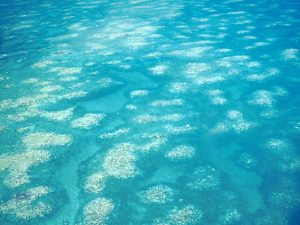
Modelling and Decision Support
Modelling and Decision Support Ecological Projections of the Great Barrier Reef under an uncertain future. The Modelling and Decision Support Subprogram aims to enable Reef

Modelling and Decision Support Ecological Projections of the Great Barrier Reef under an uncertain future. The Modelling and Decision Support Subprogram aims to enable Reef
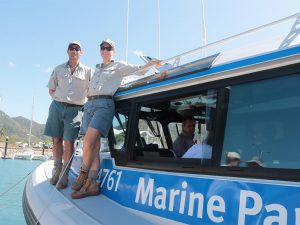
Regulatory Many of the proposed interventions being researched and developed by RRAP will include activities that have not previously been considered within the Great Barrier
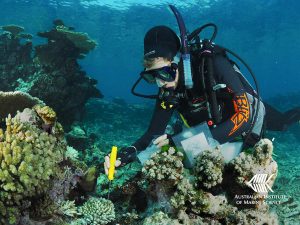
Enhanced Corals and Treatments https://www.youtube.com/watch?v=sLaEj3k1aCo Coral adaptation to the impacts of climate change – including increasing average water temperatures and more frequent and extreme heatwaves
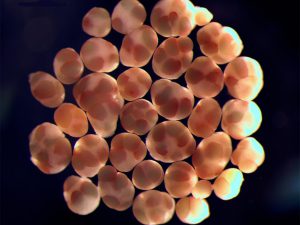
Coral Aquaculture and Deployment Dr Carly Randall conducting spawning research in the National Sea Simulator, AIMS, during coral spawning. Photo: Marie Roman https://www.youtube.com/watch?v=9OTrA8BqQSE The RRAP
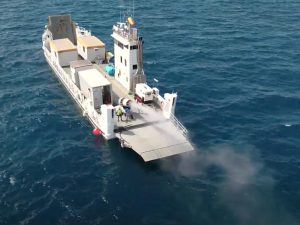
Cooling and Shading https://www.youtube.com/watch?v=_LmV94WSkmc&t=3s The RRAP Cooling and Shading R&D Subprogram aims to investigate technologies to prevent or reduce bleaching stress on coral reefs by
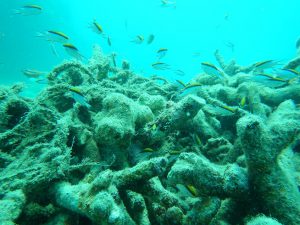
Rubble Stabilisation The RRAP Rubble Stabilisation R&D Subprogram is investigating methods to stabilise damaged reef surfaces where dead or degraded corals have become loose and
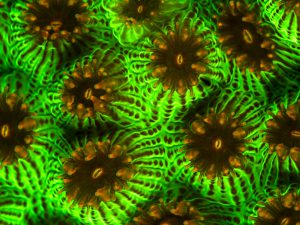
Cryopreservation Jon Daly cryopreserving coral spawn, Heron Island Research Station. Photo credit: Gary Cranitch The RRAP Cryopreservation R&D Subprogram aims to deliver the important capability
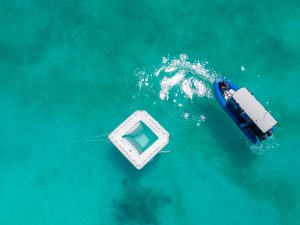
Moving Corals https://www.youtube.com/watch?v=P1i_oUZNZ1Q Coral restoration using larval seeding aims to speed the return of coral cover, diversity and complexity to damaged reefs. It does this
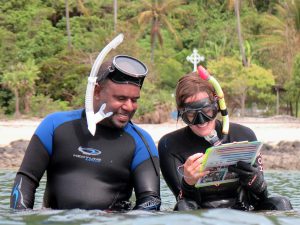
Stakeholder and Traditional Owner Engagement A fundamental principle of RRAP is to work closely with Great Barrier Reef Traditional Owners, and engage different stakeholders, community
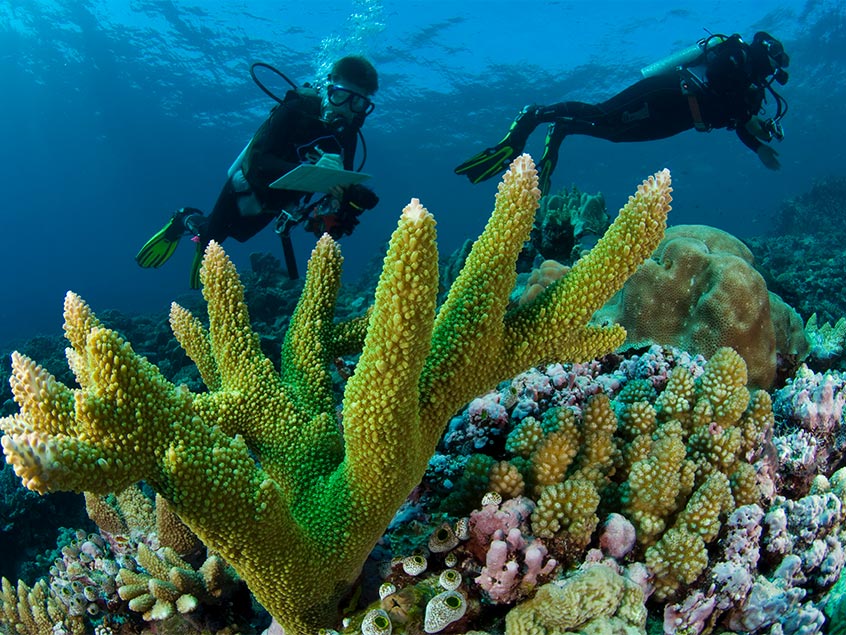
Ecological Intelligence for Reef Restoration The EcoRRAP R&D Subprogram fills key knowledge gaps essential for the success and cost-effectiveness of reef restoration interventions. An integrated
Translation to Deployment In order to transition RRAP interventions from research and development to deployment we must ensure the technology, logistics, regulatory approvals and community