Translation to Deployment

In order to transition RRAP interventions from research and development to deployment we must ensure the technology, logistics, regulatory approvals and community support are in place well in advance.

The Translation to Deployment team is working to enable these prerequisites for intervention deployment, focusing on:

  • Deployment supply chains (organisations, intervention method knowledge, logistics and costing)
  • Regulatory approvals and social licence (including for larger-scale research trials and deployments)
  • Targeted technology development, which can be clustered into a reef deployment guidance system, and other required technologies.

The key outcomes of the Translation to Deployment Subprogram are: 

  • Regulatory approval of interventions within the projected deployment timeline. 
  • Coordinate engagement and trial delivery plans for key Reef sites. 
  • Engagement and build capacity with industry, community and Traditional Owners in the challenge of building a reef restoration sector that can deploy the methods and approaches developed in RRAP.
  • Ensure best-practice engineering approaches are applied in RRAP intervention development, and that interventions are technically ready to deploy within target timelines.

Current projects

Deployment Supply Chains

This project will map the high-level critical path to achieve RRAP deployment, which include technical as well as funding, regulatory, community capacity building and social license goals. Critical outputs and inputs, timelines, dependencies, decision points and stage gates will be mapped for each intervention scenario.

Technology Development

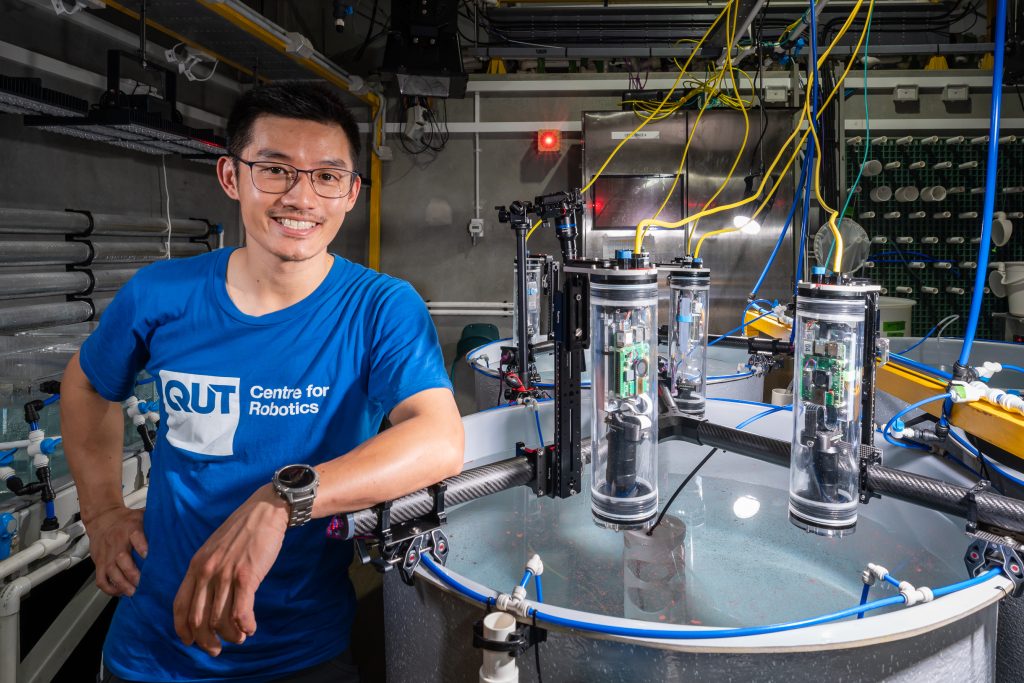
This project provides engineering support for the RRAP R&D Program, including mechanical, chemical, electrical, civil/structural, data and integrated engineering. The project’s key objective is to ensure seamless research and technology handover to restoration implementers and practitioners.

Publications and Resources:

Journal Articles

Gibbs MT, Gibbs BL, Newlands M, Ivey J (2021) Scaling up the global reef restoration activity: Avoiding ecological imperialism and ongoing colonialism. PLoS ONE 16(5): e0250870. https://doi.org/10.1371/journal.pone.0250870

Gibbs, M. T. (2021). Technology requirements, and social impacts of technology for at-scale coral reef restoration. Technology in Society, 66, 101622. https://doi.org/10.1016/j.techsoc.2021.101622

Gibbs, M. T., & Newlands, M. (2021). Restoration heralds’ new management challenges for coral reefs. Marine Policy, 136, 104911. https://doi.org/10.1016/j.marpol.2021.104911

Gibbs, M.T. Developing a regional-scale reef restoration activity for the tropics. Reg Environ Change 21, 99 (2021). https://doi.org/10.1007/s10113-021-01843-6  

Lippmann RB, Helmstedt KJ, Gibbs MT, Corry P (2023) Optimizing facility location, sizing, and growth time for a cultivated resource: A case study in coral aquaculture. PLoS ONE 18(3): e0282668. https://doi.org/10.1371/journal.pone.0282668

Gibbs, M., Jackel, K., Ames, J., & McLeod, I. (2024). How the incentives of participating organizations influence the current scales of coral reef restoration activities. Aquatic Conservation: Marine and Freshwater Ecosystems, 34(1), e4077. https://doi.org/10.1002/aqc.4077

Gibbs, M. T. (2025). Oceanographic‐informed coral out‐planting density for coral reef restoration activities. Restoration Ecology, 33(1), e14315. https://doi.org/10.1111/rec.14315

Subprogram Team:

Pedr Davis
Subprogram Lead

AIMS

Karen Jackel

Senior Project Specialist Industry Development
QUT